-
Hockey socks from leading brands
Mr. Timmy Stark Jr. Comments Off on Hockey socks from leading brands
Hockey socks may look like a relatively simple part of a player’s equipment, but the right pair has an important role to play on the ice. They help keep shin guards securely in place, contribute to a clean and consistent team look, and need to withstand repeated skating sessions, games and washes. For players who train several times a week, durability and fit quickly become just as important as colour and design.
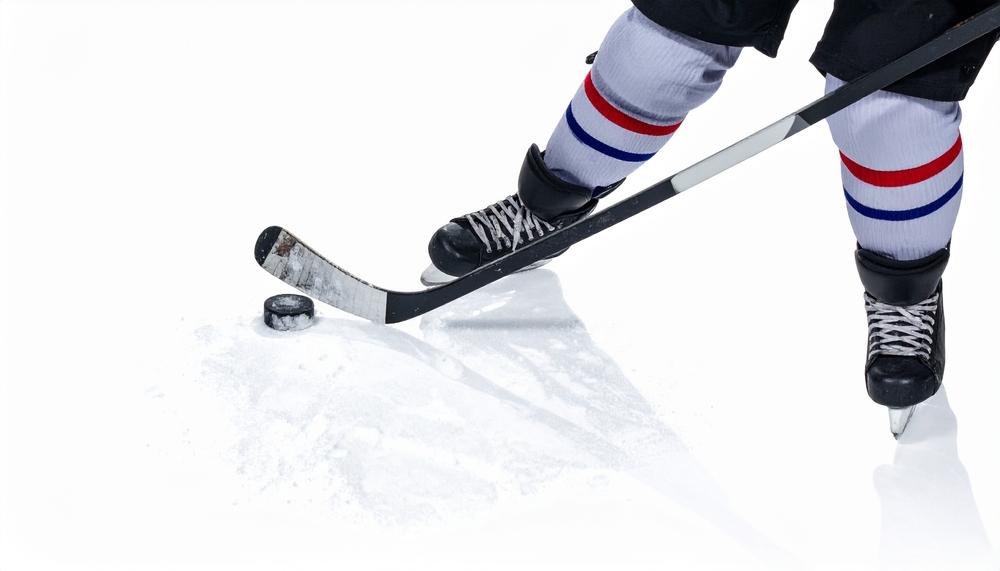
Modern hockey socks are available in a wide range of materials, sizes and styles, with options suited to junior players, recreational skaters and experienced competitors alike. Choosing products from established hockey brands also gives players access to designs developed specifically for the demands of the sport. A well-fitting pair should stay comfortable throughout the game without restricting movement or constantly needing adjustment.
Choosing hockey socks that fit your equipment
Fit is one of the first things to consider when buying hockey socks. Unlike ordinary sports socks, hockey socks are worn over the shin guards and therefore need enough room to cover protective equipment properly without becoming excessively loose. The aim is to achieve a secure fit that follows the leg while still allowing complete freedom of movement.
Players looking for different sizes, colours and models from established manufacturers will find that you can find these online, making it easier to compare hockey socks designed for different levels of play and equipment setups. Shopping by size and brand is particularly useful because the proportions of hockey socks can vary between manufacturers.
Length is an important consideration. A pair that is too short may pull against the shin guards when the player bends the knees, while socks that are unnecessarily long can bunch up around the thigh. Hockey stance involves constant knee flexion, powerful strides and rapid changes of direction, so the socks need to remain comfortable while the player is moving rather than simply fitting well when standing upright.
The size of the shin guards should also be taken into account. Larger protective equipment naturally requires more material around the lower leg. Junior players, whose equipment changes frequently as they grow, may need new hockey socks more often than adults even when the existing pair is still in good condition.
How the socks are attached is another factor. Many modern hockey pants and compression garments use hook-and-loop fastening systems that connect directly to compatible hockey socks. This can provide a secure fit without relying entirely on traditional garter systems or large amounts of hockey tape.
Some players still prefer to use tape around the shin guards and socks. This can help keep the protection firmly positioned, although the tape should not be wrapped so tightly that it limits circulation or makes movement uncomfortable. The hockey socks themselves should provide enough structure that excessive taping is unnecessary.
Materials designed for life on the ice
Hockey equipment has changed considerably over the years, and hockey socks are no exception. Traditional knitted models remain familiar to many players, but modern performance fabrics have become increasingly common. These materials are designed to combine flexibility, ventilation and durability while keeping unnecessary weight to a minimum.
A lightweight fabric can be particularly valuable during intensive games and training sessions. Hockey is physically demanding, and players generate considerable heat underneath their protective equipment. While hockey socks are only one part of the overall equipment system, breathable materials can contribute to a more comfortable playing experience.
Stretch is equally important. The fabric needs to accommodate shin guards while moving naturally as the player skates. Materials with suitable elasticity can reduce bunching and make it easier for the socks to maintain their shape throughout a session.
Durability matters because hockey socks experience considerable wear. They come into contact with skate components, protective equipment, benches, boards and other players. They are also frequently washed, often several times per week during periods of regular training and competition.
Areas around the knees and lower legs can be particularly vulnerable to damage. Even high-quality hockey socks will eventually show signs of wear, but stronger materials and reinforced construction can extend their usable life. For frequent players, investing in equipment specifically designed for hockey usually makes more sense than choosing primarily on appearance.
It is also useful to own more than one pair. Having spare hockey socks means players do not need to rely on a single pair being washed and dried between every session. A spare set can also be valuable if a sock is damaged during a tournament or away game.
Proper care can help maintain both fit and appearance. Players should follow the manufacturer’s washing instructions, particularly for technical fabrics. Excessive heat may affect elastic fibres and fastening materials, so drying hockey equipment correctly is just as important as washing it.
Allowing equipment to dry thoroughly between sessions also improves overall comfort. Damp hockey gear is unpleasant to put on and can develop unwanted odours quickly. Establishing a regular routine for airing and washing socks, base layers and other washable equipment makes a noticeable difference during a long season.
Leading hockey brands offer different styles
Brand preference is common among hockey players. Some players choose equipment from one manufacturer whenever possible, while others mix products from several brands according to fit and personal preference. Hockey socks are an easy area in which to compare different manufacturers without needing to replace more expensive protective equipment.
Leading hockey brands typically offer socks in several colour combinations so players can coordinate them with team uniforms, practice jerseys or personal equipment. Classic solid colours remain popular, while striped designs and combinations inspired by traditional hockey uniforms are also widely used.
For team players, colour matching is naturally more important. Socks form a visible part of the uniform and help create a consistent appearance on the ice. Clubs may therefore specify particular colour combinations or designs for games while allowing players more freedom during training.
Recreational players generally have greater flexibility. They can choose colours based on preference, coordinate them with a favourite jersey or simply select practical socks that work well with their existing equipment.
The choice between knitted and more modern performance-style hockey socks can also come down to personal preference. Knitted socks provide a traditional look and feel familiar to generations of players. Modern alternatives are often lighter and may provide a closer, more streamlined fit around protective equipment.
Neither approach is automatically right for every player. Someone who values the classic appearance of hockey equipment may prefer traditional construction, while a player focused on lightweight equipment and moisture management may favour technical fabrics.
Trying different styles over time is often the best way to discover what works. Hockey equipment is highly personal, and preferences develop through experience. A player may initially pay little attention to hockey socks but eventually develop a clear preference for a certain material, length or fastening method.
Established brands also tend to produce their socks alongside other hockey equipment, meaning sizing and construction are developed with the sport’s protective gear in mind. This makes it easier to create a complete equipment setup in which each component works together rather than interfering with movement.
Small details can make a difference during play
Comfort on the ice is often determined by details that are barely noticeable when everything works properly. Hockey socks are a good example. When they fit correctly, players rarely think about them. When they slide down, bunch behind the knee or fail to hold equipment comfortably, they quickly become distracting.
The best hockey socks should allow the player to concentrate on skating rather than adjusting equipment. Before buying, it is worth considering the player’s height, shin guard size, preferred fastening system and how frequently the socks will be used.
Young players have slightly different requirements from adults. Because children grow quickly, parents need to balance current fit with enough room for normal movement and development. Buying socks that are dramatically oversized is rarely helpful, however, as excess fabric can interfere with comfort and make equipment harder to secure.
Players who participate in organised hockey may also need separate practice and game socks. Training equipment is exposed to considerably more wear over the season, so keeping dedicated game socks can help maintain a cleaner uniform appearance.
It is sensible to inspect hockey socks periodically for tears, weakened seams and damaged fastening areas. Small holes may not immediately affect performance, but damage can expand quickly once the fabric is repeatedly stretched over shin guards.
Players should also think about how the socks interact with the rest of their equipment. Shin guards need to remain correctly positioned over the knee and lower leg, while hockey pants should overlap the upper protective area appropriately. Socks should support this setup rather than pulling equipment out of position.
The right combination is ultimately the one that feels secure without becoming restrictive. Hockey requires explosive acceleration, deep knee bends, crossovers and rapid transitions between forward and backward movement. Equipment needs to follow those movements naturally.
For that reason, hockey socks deserve the same practical consideration as other pieces of equipment, even though they are relatively straightforward to replace. Selecting the appropriate size, material and construction can improve comfort, keep protective gear securely positioned and provide the finished look expected from a complete hockey kit.
Whether the priority is a lightweight performance model, a traditional knitted design or colours that match a particular uniform, there are options for different playing styles and preferences. Choosing hockey socks from recognised brands and taking proper care of them ensures that this seemingly simple part of the equipment can perform reliably throughout training sessions, matches and an entire hockey season.
When you want to play padel in Nottingham